Find interlocking patios
Enhance Your Outdoors With Experienced Hardscaping Offerings
Transforming exterior areas through professional hardscaping services offers both functional and visual advantages. By utilizing long-lasting materials for features like patios and retaining walls, homeowners can enhance their property's value. Professional installation guarantees compliance with local regulations and accurate execution. Understanding the intricacies of hardscaping design is essential for creating a harmonious outdoor environment. What are the main elements to consider when starting this life-changing journey?
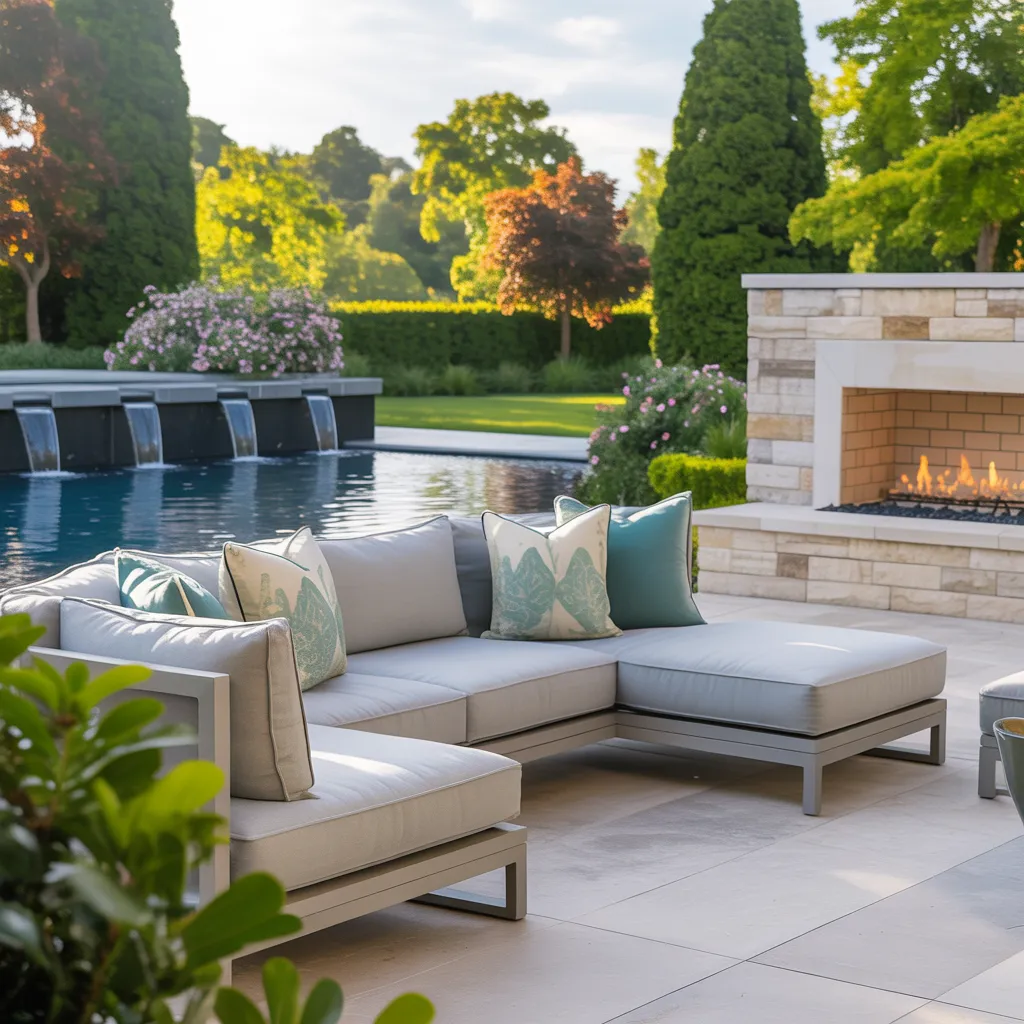
Understanding Hard Landscaping: Why Is It So Significant?
Hardscaping, a vital component of landscape design, includes the non-vegetation features of outdoor spaces, such as patios, walkways, and retaining walls. This aspect of landscaping offers structure and practicality, improving the utility of outdoor areas. Hardscaping elements fulfill multiple purposes: they create pathways for movement, delineate spaces, and contribute aesthetic appeal.
Additionally, hardscaping plays an important role in water control, working to regulate drainage and preventing erosion. Properly designed components can reduce water excess flow, advancing healthier landscapes. Furthermore, hardscaping increases property value by boosting curb presence and supplying practical outdoor leisure options.
Adding outdoor hardscape features allows homeowners to enjoy their outdoor spaces year-round, offering areas for rest, socializing, or play. Overall, hardscaping contributes greatly to the overall design and functionality of outdoor environments, making it an essential consideration for any landscape project.
Finding the landscape design Solutions
Determining the ideal hardscaping materials necessitates careful consideration of both durability and visual beauty. Durable materials ensure permanence and strength against environmental factors, while aesthetic design choices strengthen the overall look of outdoor spaces. Balancing these factors is essential for creating a useful and attractive environment.
Substance Strength Elements
When selecting hardscaping materials, durability plays a key role in ensuring persistent outdoor features. Homeowners should consider several factors such as climate, foot traffic, and potential wear caused by environmental elements. For example, natural stone and concrete offer strong durability, making them appropriate for patios and walkways. In contrast, softer materials like wood often require additional maintenance and are prone to weathering. Moreover, understanding the material's ability to resist stains, cracking, and fading can greatly influence its longevity. Proper installation practices also boost durability, guaranteeing that the hardscaping lasts the test of time. Ultimately, selecting the right materials, aligned with particular needs and environmental conditions, is essential for maintaining enduring outdoor spaces.
Aesthetic Design Choices
While refer to resource usefulness is essential in hardscaping, aesthetic design decisions greatly impact the overall attractiveness of outdoor spaces. The choice of materials plays a key role in achieving a balanced look. Natural stone, for example, offers a rustic charm, while pavers provide a more structured appearance. Color, texture, and pattern should be carefully considered to match existing architecture and landscaping. Adding elements like retaining walls, pathways, and patios can enhance aesthetic value. Additionally, using sustainable materials can support an eco-friendly aesthetic. The balance between style and practicality guarantees that hardscaping not only looks attractive but also fits seamlessly into the environment, creating welcoming outdoor areas that are both stunning and functional.
Core Elements of Effective Hardscaping Design
Effective landscape design features a set of key components that enhance both practicality and looks. Firstly, materials play a vital role; selections like stone, brick, and concrete not only affect the visual appeal but also contribute to durability. Secondly, layout is important; well-structured paths, patios, and retaining walls create unified outdoor spaces while improving flow. Third, drainage solutions must be implemented to prevent water accumulation, guaranteeing long-lasting use and functionality. Additionally, integrating elements such as steps, borders, and seating areas can boost usability and comfort. Finally, lighting is important for safety and ambiance, permitting outdoor spaces to be used after sunset. By taking these components into account, hardscaping can turn outdoor areas into usable and visually appealing environments, encouraging outdoor activities and increasing property value. Ultimately, effective hardscaping design is a blend of practical and visual elements that function harmoniously.
Advantages of Professional Hardscaping Services
Relying on expert outdoor construction yields many benefits that enhance both the aesthetics and utility of exterior areas. Skilled professionals apply specialized knowledge and experience, ensuring that projects are executed with accuracy and attention. They understand local regulations and environmental factors, helping to avoid potential setbacks.
Additionally, professional services provide access to premium-grade materials and sophisticated methods, producing durable and visually attractive installations. This not only increases the longevity of hardscaped features but also adds value to the property.
Additionally, skilled hardscapers can transform challenging landscapes into practical spaces, optimizing outdoor areas for entertainment, relaxation, or gardening. Their technical proficiency allows for cohesive visual harmony, weaving hardscape elements effortlessly with existing landscapes. Ultimately, employing professionals can conserve time and reduce the likelihood of costly mistakes, ensuring a satisfying and accomplished outdoor overhaul.
What's trending in Hardscaping for 2023?
As outdoor design trends develop, 2023 brings a new surge of innovations in hardscaping that cater to both visual appeal and practicality. One prominent trend is the use of sustainable materials, such as permeable pavers and recycled stone, which not only improve visual appeal but also encourage environmental responsibility. Designers are increasingly blending natural elements with modern features, creating seamless connections between hardscapes and landscapes.
A major current trend involves the combining of multifunctional outdoor spaces. Fire pits, seating walls, and outdoor kitchens are becoming essential components, permitting homeowners to optimize their outdoor living areas. Additionally, bold geometric patterns and vibrant colors are rising in favor, contributing a contemporary flair to traditional designs.
Cutting-edge technology is also gaining traction in hardscaping, with systems like automated lighting and irrigation systems maximizing convenience and energy efficiency. Overall, 2023's hardscaping trends stress a harmonious integration of style, sustainability, and practicality.
Care Suggestions for Stunning Hardscaping
Maintaining beautiful hardscaping requires regular upkeep and yearly maintenance. Regular cleaning techniques help avoid accumulation of grime and waste, ensuring surfaces remain visually appealing. Additionally, following specific seasonal guidelines can safeguard hardscaped spaces from climate-induced damage.
Conventional Housekeeping Methods
Regular maintenance techniques play an essential role in maintaining the beauty and durability of hardscaping elements. To upkeep these outdoor structures, regular brushing removes debris and prevents staining. Pressure washing is efficient for deeper cleaning, removing dirt, algae, and mold that can build up over time. For stone or brick surfaces, a gentle cleanser may be used to preserve texture while providing cleanliness. Sealing pavers and stone surfaces helps protect against moisture infiltration and stains, prolonging their lifespan. Additionally, treating spills promptly avoids long-term damage and discoloration. Regular checks for cracks or shifting materials can help in detecting maintenance needs before they escalate. Implementing these methods contributes greatly to the aesthetic appeal and durability of hardscaping installations.
Seasonal Care Guidelines
Proper seasonal maintenance is crucial for maintaining the integrity and appearance of hardscaping elements throughout the year. In spring, comprehensive cleaning and protective coating of surfaces can prevent damage from environmental conditions. Summer upkeep includes regular inspections to identify cracks or shifts caused by heat and moisture. Fall demands the clearing of leaves and debris to prevent mold growth, along with a inspection for any needed maintenance. Winter care concentrates on snow and ice management; using a non-corrosive deicer protects surfaces from damage. Additionally, applying a defensive coating can improve durability. By adhering to these seasonal guidelines, homeowners can ensure their hardscaping remains beautiful and functional, consequently prolonging its lifespan and reducing future repair costs.
Common Questions Asked Regularly
What is the Standard Duration for Completing a Hardscaping Project?
A hardscaping project typically needs one to three weeks to finish, depending on the size and complexity of the area. Factors such as weather conditions and material availability can also influence the timeline significantly.
What Permits Are Needed for Hardscape Projects?
In most cases, hardscaping projects need permits for constructed elements including patio spaces, retaining walls, or walkways. Area ordinances differ significantly, so consulting local government bodies guarantees adherence to land use regulations and safety standards before undertaking any installation work.
Can hard landscaping Be placed Over current Surfaces?
Yes, paved surfaces can frequently be installed over present ground, provided the underlying material is firm and in good condition. Proper assessment is essential to guarantee durability and avert future complications with the new setup.
What Should I Look For When Selecting a Reliable Hardscaping Contractor?
To select a trustworthy hardscaping contractor, one should research online reviews, request references, confirm qualifications, assess past projects, and get quotations in writing. Clear communication and responsiveness during initial interactions also demonstrate professionalism and reliability.
What Elements Should I Take Into Account for Drainage in Hardscaping?
When examining drainage in hardscaping, one must assess the landscape's terrain grade, soil type, and existing water flow. Adequate drainage eliminates flooding and soil erosion, ensuring the longevity and stability of landscape hardscaping.